Flatbed Towing in Seattle
Call (425) 200-7563When your vehicle needs to travel with its wheels off the road, call Amry’s Towing and Roadside about flatbed towing in Seattle. We accept requests 24/7 for breakdown pickups and planned transport. Call (425) 200-7563 with your vehicle, pickup location, and destination for an estimate and current availability.
A suitable flatbed carries the vehicle on its platform during transport. Loading still depends on the vehicle’s condition, manufacturer instructions, and the available working space. Tell us about low clearance, locked wheels, modifications, or collision damage before the pickup is arranged.
Call 911 first for injuries, a vehicle blocking an active traffic lane, fire, or immediate danger. Follow emergency responders’ directions before arranging transport. Do not stand in moving traffic, approach damaged electrical components, or try to push a disabled vehicle into position for loading.
Full-Vehicle Transport on a Flatbed
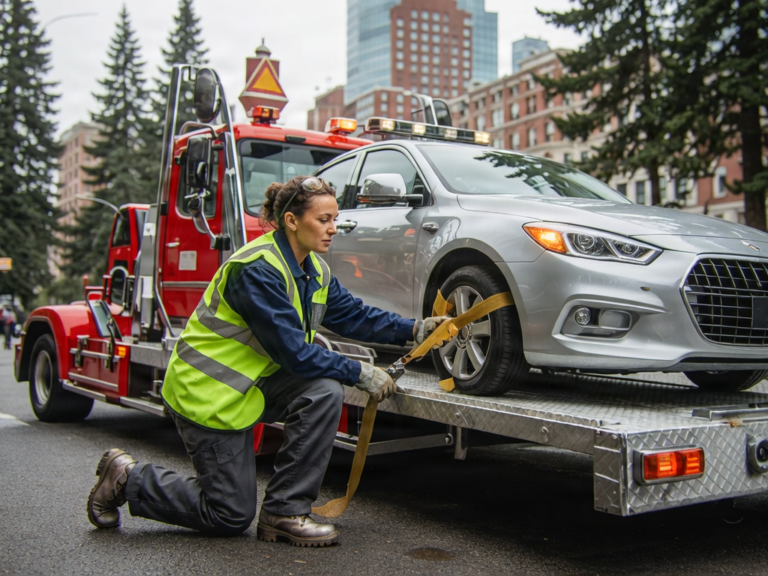
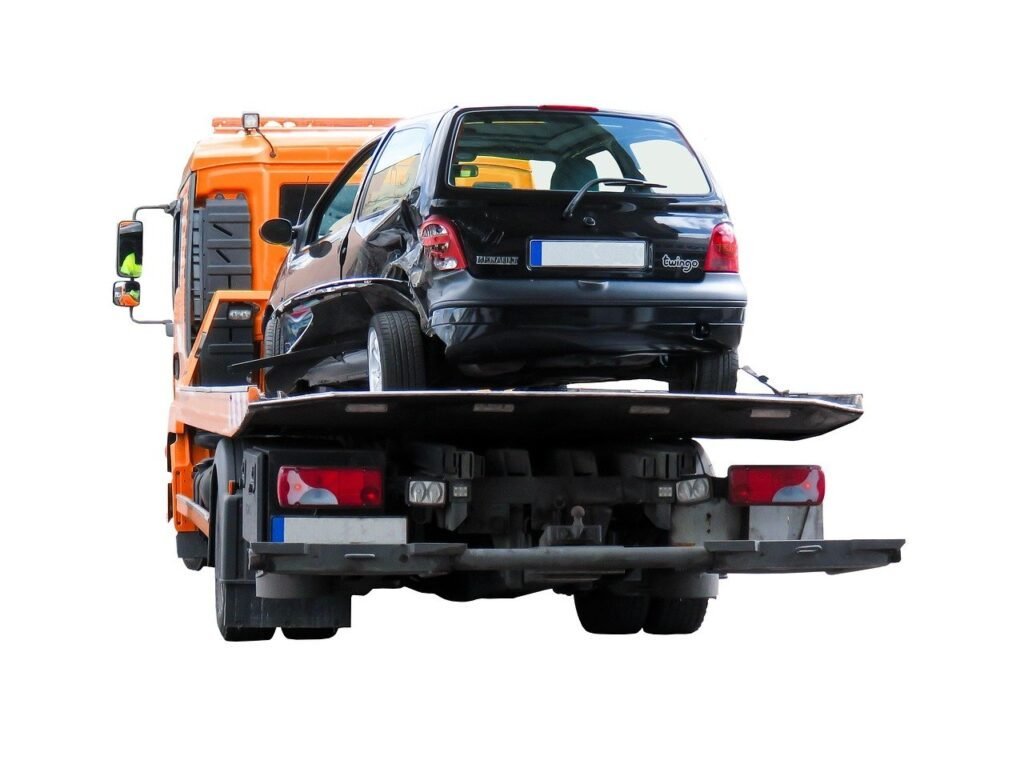
Flatbed towing loads the complete vehicle onto a truck platform so its tires are carried off the roadway during the trip. This approach may be required or recommended for a particular drivetrain or vehicle condition. We discuss suitability for your exact vehicle rather than treating every towing request alike.
The transport method depends on manufacturer guidance, wheel condition, clearance, size, and access. The truck needs room to position and load. Accurate information helps us assess both the vehicle’s needs and the pickup location.
Flatbed towing is different from flat towing, a term commonly used for moving a vehicle with all four wheels rolling on the road. It also differs from wheel-lift arrangements, which may use additional dollies when required. Manufacturer instructions determine which methods are appropriate for the vehicle.
Request a flatbed for a non-running car, repair appointment, or another suitable transfer. Share both addresses and the vehicle’s condition. We discuss equipment, loading access, and the service estimate before confirming the request.
When Flatbed Towing May Be Appropriate
Manufacturer-specific transport needs: Some AWD, four-wheel-drive, hybrid, and electric models require particular towing methods. Tell us the exact year, make, model, and drivetrain. A flatbed request should reflect the vehicle’s instructions rather than an assumption based only on its badge or size.
A vehicle that should not be driven: Mechanical trouble, damaged tires, or a vehicle that will not start can require transport to a repair provider. Describe the symptoms and whether the vehicle still rolls and steers. The underlying problem needs separate diagnosis by a qualified repair provider.
Low-clearance or modified vehicles: Lowered suspension, front splitters, side skirts, and aftermarket wheels can affect the loading approach. Mention these features before dispatch. A flatbed does not automatically eliminate clearance concerns; the operator must assess the available space and loading position.
Planned local vehicle transport: You may need a car moved from home to a shop, between repair facilities, or to another agreed location. Provide both addresses and preferred timing. Let us know about non-running vehicles, receiving-business hours, and restrictions at either end.
Preparing for a Flatbed Pickup
If the vehicle is safely parked, leave it where it is while you arrange the pickup. Tell us about the parking position and available space rather than attempting to reposition a vehicle with a mechanical or electrical problem. Call emergency services first if the location is immediately dangerous.
Keep your keys or key fob available and identify the vehicle’s year, make, and model. Mention a discharged battery, inaccessible doors, a parking brake that will not release, or a vehicle that cannot shift. Do not force controls or try unfamiliar transport settings without guidance.
Remove valuables only when safe and arrange contact with the person meeting the operator. Share gate codes, garage clearance, and the destination address. Let us handle loading preparation, and keep passengers and pets away from the truck platform, loading equipment, and the vehicle’s path.
Can a Flatbed Reach Your Vehicle?
A flatbed needs suitable access to position its truck and platform near the vehicle. A low garage entrance, narrow driveway, sharp approach, or limited space behind the car can affect loading. Describe the actual parking area, not only the street address shown on a map.
The vehicle’s length, width, weight, clearance, and condition also matter. Tell us about large accessories, unusual cargo, missing wheels, or suspension damage. We confirm equipment suitability and discuss additional arrangements when a straightforward pickup is not possible at the original parking position.
Important before dispatch: Tell us whether the vehicle rolls and steers, whether keys are available, and whether the parking brake can release. Mention garage height limits, modifications, damaged wheels, and access restrictions. Do not crawl beneath the vehicle or enter traffic to collect these details.
How Our Flatbed Towing Service Works
Our process covers the request, assessment, price confirmation, loading, and delivery. If another approach is needed, we explain the options and proposed adjustment before additional work.
Request a Flatbed
Call (425) 200-7563 with the vehicle year, make, model, pickup address, and destination. Explain why a flatbed is requested and describe the vehicle’s condition. We will discuss current availability, access requirements, a general estimate, and an arrival estimate for your location.
Vehicle & Access Check
On arrival, we assess the parking position, ground clearance, wheel condition, and loading access. The vehicle’s manufacturer transport guidance informs preparation. We explain any issue affecting the planned pickup, including unavailable power, locked wheels, or damage that requires additional loading arrangements.
Confirm Quote
We review the requested transport and explain the price before loading begins. A phone estimate relies on the information supplied. If the actual access, vehicle condition, equipment, or labor requirements differ, we explain the adjustment and obtain your approval before additional work.
Loading & Securement
We prepare the platform and suitable loading equipment for the assessed vehicle. Loading and securement follow the applicable vehicle and equipment instructions. Keep clear of the work area and let the operator manage positioning, loading, and securing the vehicle for the planned trip.
Transport & Unloading
The vehicle travels on the flatbed to the agreed destination and is unloaded where suitable access is available. Confirm the receiving contact and any gate or after-hours instructions beforehand. A destination change should be discussed before delivery because it may affect availability and price.
Vehicle-Specific Flatbed Preparation
Flatbed preparation considers the manufacturer’s transport requirements, loading access, clearance, and securement. Tell us about your specific vehicle, parking position, and condition so we can discuss a suitable approach before confirming the pickup.
AWD, Electric & Low-Clearance Vehicles
AWD and four-wheel-drive systems can have restrictions on which wheels may rotate during towing. A flatbed carries the whole vehicle, but loading still needs to follow the model’s instructions. Share the drivetrain and exact model rather than relying on general advice for a different vehicle.
Electric and hybrid vehicles may need particular transport settings and preparation if low-voltage power is unavailable. Tell us about warning messages, unavailable keys, or damage. Do not assume a procedure for another model applies, and keep clear of damaged high-voltage components after a collision.
Low-clearance, classic, luxury, and modified vehicles need accurate clearance and bodywork information. Mention splitters, side skirts, suspension changes, and unusual wheels. We assess whether the available equipment and site suit the requested loading approach.
When Loading Needs Extra Preparation
Locked wheels, a steering problem, missing tires, or collision damage can require additional loading preparation even when a flatbed is the intended transport method. Describe these conditions before dispatch. Availability of any extra equipment and the work involved must be confirmed for the specific request.
Restricted parking and soft, sloping, or obstructed approaches can also affect access. A vehicle may need a different collection arrangement before it can be loaded onto the platform. We explain the assessed options rather than asking you to move an unsafe or damaged vehicle yourself.
Loading a vehicle onto a flatbed is different from recovering one stuck off the road. If the car is in mud, a ditch, or another compromised position, describe that first. Our winch-out and recovery service explains recovery requests that may involve separate work before transport.
Roadside Safety Guidance
Planning Your Flatbed Delivery
Choose the Destination & Confirm Receiving Access
Choose a complete delivery address, such as a repair shop, dealership, home, or another suitable location. Confirm that the receiving location can accept the vehicle and has room for the flatbed to position and unload. Access matters at the destination as well as at pickup.
For a repair business, check opening hours, vehicle drop-off instructions, and key arrangements before the trip. An after-hours delivery needs agreement with the receiving location. Tell us about gates, narrow entrances, restricted parking, or a vehicle that will need to remain accessible for further service.
If you have not decided where the vehicle should go, say so when requesting the estimate. Keep the transport receipt and delivery details for your records. Flatbed transport moves the vehicle; mechanical diagnosis, battery testing, tire repair, and other workshop services are arranged separately.
Flatbed Pricing and Arrival Estimates
Call for a general flatbed towing estimate based on both addresses, vehicle details, condition, and access. Distance, loading requirements, equipment, and labor can affect the final price. Mention modifications, locked wheels, collision damage, and additional requested work so the estimate reflects the situation as closely as possible.
We understand that customers cannot always describe every detail over the phone. If conditions require an adjustment after assessment, we explain the reason and obtain your approval before proceeding with additional work. Ask whether the estimate covers transport only or includes recovery or extra loading work.
Arrival estimates depend on availability, location, traffic, weather, and access. Tell us if the pickup position, gate access, meeting contact, or destination changes so we can update the arrangements. Timing is confirmed for your request.

Need to Arrange Vehicle Transport?
Call Amry’s with your vehicle details and both addresses. Mention urgent timing or loading restrictions so we can discuss equipment suitability, current availability, and a flatbed transport estimate.
Discuss Your Flatbed RequestSeattle Flatbed Towing Coverage
Amry’s Towing and Roadside is based at 3612 Stone Way N, Seattle, WA 98103. Call to confirm flatbed availability for Seattle, Bellevue, and nearby communities in King, Snohomish, and Pierce counties. Provide both pickup and delivery addresses so access and routing can be discussed.
Beacon Hill: Tell us about driveway slopes, vehicle direction, and room around the parking space. Ground clearance and a straight loading approach may affect the plan, especially for a lowered or non-running vehicle.
Capitol Hill: Apartment garages and curbside spaces can limit truck positioning. Provide the garage entrance, height limit, parking level, and stall number, along with any gates or restrictions near the vehicle.
Downtown Seattle: Give the actual vehicle entrance and parking location rather than only a building address. Mention loading zones, timed access, or security instructions so the flatbed pickup can be discussed accurately.
Queen Anne: Steep driveways and tight residential streets need clear access details. Describe ground clearance, driveway transitions, and whether the vehicle can roll and steer before a loading approach is confirmed.
SoDo: Warehouses and business lots may have loading docks, security gates, or active deliveries. Provide a meeting contact and suitable pickup point, and mention obstacles that could affect platform positioning or unloading.
West Seattle: Tell us the neighborhood, vehicle condition, clearance, and both addresses. Our West Seattle towing page provides more local information, or call directly to ask about flatbed availability.
Bellevue: Call with the pickup address and destination to check availability. Office and residential properties may require entry permission, clearance details, and a receiving contact before a flatbed move can be arranged.
Nearby Areas & Loading Access
Check Flatbed AvailabilityDetails to Have Ready for Your Flatbed Quote
Provide the year, make, model, and drivetrain, followed by the pickup address and destination. Explain whether the vehicle starts, rolls, steers, and has accessible keys. Mention low clearance, modifications, warning messages, visible damage, or unusual cargo that could affect the loading plan.
Share gate codes, garage clearance, parking level, and the meeting person’s number. Confirm the destination can receive the vehicle and provide after-hours instructions. Mention passenger needs early so separate transport can be arranged if required.
Helpful if it is safe: Share a photo of the vehicle’s position, ground clearance, or parking entrance. Pictures can help explain loading access, but an on-site assessment is still needed. Do not crawl under the vehicle, alter suspension settings, or step into traffic for photographs.
Flatbed Towing FAQs
Answers about flatbed transport, vehicle suitability, loading access, service estimates, preparation, and choosing an appropriate destination.
Seattle Service Areas
Choose a neighborhood for access information or open our West Seattle service page. For Bellevue and other locations in King, Snohomish, or Pierce County, call (425) 200-7563 to confirm availability.