Emergency Fuel Delivery in Seattle
Call (425) 200-7563Out of gas on the road, at home, or in a parking lot? Amry’s Towing and Roadside takes emergency fuel delivery requests in Seattle, Bellevue, and nearby communities.
Call (425) 200-7563 anytime to confirm the fuel your vehicle needs, available quantity, an estimate, and arrival availability. Tell us your exact location and whether you are safely away from traffic.
Immediate danger comes first. Call 911 for fire, injuries, a vehicle blocking a live lane, or another immediate threat. Give us any fuel leak, smoke, or unusual odor information before requesting refueling. Never walk along a freeway carrying fuel.
Out of Gas? Request Roadside Fuel Assistance
An empty tank can interrupt a commute, a school pickup, or the trip home. Roadside gas delivery may help you continue to a suitable fuel station without leaving your vehicle to search for fuel yourself.
Start with the vehicle’s year, make, model, and fuel requirement. We discuss your location and whether the filler can be reached safely. The amount and type of fuel available are confirmed for your request before assistance is arranged.
A vehicle that will not start is not always out of gas. Describe the fuel gauge, dashboard messages, engine behavior, and what happened before it stopped. These details help us discuss a useful service rather than assume a refill will fix every problem.
If the battery appears weak, ask about jump start assistance. If the vehicle cannot safely continue, we can discuss emergency and local towing. Each additional service is assessed and quoted for the situation.
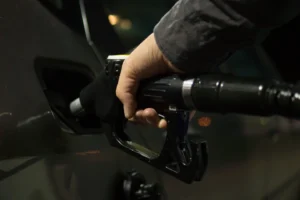
When Fuel Delivery May Help
The tank ran empty while driving. Tell us where the vehicle stopped and which direction you were traveling. A nearby exit, intersection, or mile marker is more useful than a broad road name when we need to locate you.
The car is parked with too little fuel. Share the driveway, parking space, garage level, or business entrance. Mention access codes and time restrictions so the operator can assess the route to the vehicle and its fuel filler.
You need a particular fuel type. Explain whether the vehicle uses gasoline or diesel and the required grade. Availability is confirmed individually. Do not assume a delivery can include every grade, blend, or quantity offered at a fuel station.
The cause of the stop is uncertain. A gauge reading or warning light alone does not prove the tank is empty. Tell us about recent refueling, repeated starting attempts, and other symptoms so we can discuss suitable assistance.
What to Do When You Run Out of Gas
If the vehicle can still move safely, get out of the flow of traffic and use the hazard lights. Do not push a stalled car through a live lane or attempt an unsafe crossing to reach a fuel station.
Choose your waiting position according to the actual traffic, barriers, weather, and emergency instructions. Avoid standing in front of or behind a vehicle exposed to passing traffic. Call 911 if you cannot reach a safe situation.
Once safe, call with your location and fuel details. Keep your phone available for directions and updates. Tell us immediately if the vehicle moves, the access changes, or the situation becomes more hazardous while assistance is being arranged.
Confirming the Right Fuel for Your Vehicle
Check the manufacturer’s fuel requirement using the fuel-door label or owner’s manual when you can do so safely. Share gasoline versus diesel, the required grade, and any special instructions. We do not select fuel from the vehicle’s appearance or a nozzle’s color.
If the fuel requirement is uncertain, say so before dispatch. A photo of an accessible label may help clarify the request. Wrong-fuel concerns, leakage, or damage need a different assessment from an ordinary empty-tank delivery.
Confirm before dispatch: Fuel type, grade, available amount, service area, filler access, and the estimate all matter. Tell us if another company is already coming or if you no longer need assistance so we can keep the request accurate.
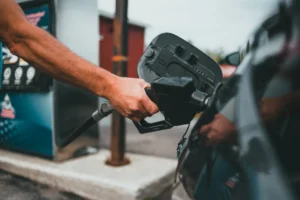
How Our Fuel Delivery Service Works
Our five-step fuel delivery process keeps your request clear from the first call through the next travel decision. We confirm the important details before arranging delivery, then reassess any conditions that differ when the operator reaches your vehicle.
Request Assistance
Call (425) 200-7563 with the exact location, vehicle details, and what happened. Mention whether you are on a shoulder, in a parking garage, or at a residence. Share immediate hazards before discussing fuel or arrival timing.
Confirm Fuel & Access
We review gasoline or diesel requirements, grade, available quantity, and how the filler can be reached. Mention locked fuel doors, missing keys, capless filler instructions, or a manufacturer’s portable-refueling funnel so access can be discussed before the trip.
Review Your Estimate
Review the estimated delivery charge and fuel cost, including what quantity the estimate covers. Ask about payment arrangements and the current arrival estimate. If your supplied details change, let us know before dispatch so the estimate can be reviewed.
Vehicle & Fuel Check
At the vehicle, the operator checks the supplied information against the actual access and conditions. Refueling requires a suitable location, correct fuel, and appropriate equipment. A leak, unsafe traffic exposure, or inaccessible filler may change the service plan.
Refuel & Next Steps
The agreed fuel is supplied when conditions permit. Follow the vehicle’s restart instructions and discuss any continued no-start condition. Once the vehicle is operating normally, plan a suitable fuel stop rather than assuming the delivery provides a full tank.
Fuel Type, Filler Access & Vehicle Condition
A few vehicle details can prevent an unsuitable delivery or an avoidable delay. Share what you know without opening a fuel system or attempting repairs. If something is uncertain, describe it honestly so the operator can plan around that uncertainty.
Gasoline, Diesel & Fuel Grade
Gasoline requests: Give the required grade shown for your vehicle. We confirm available fuel and the planned amount before arranging service. Do not request a substitute grade without checking what the manufacturer permits for your specific model.
Diesel requests: Identify the vehicle and engine, and tell us whether the tank ran completely dry. Diesel availability is confirmed by phone. Some vehicles need a manufacturer-specific restart or priming procedure after running out; a refill alone may not restore operation.
Hybrids and electric vehicles: A hybrid’s fuel requirement depends on its model. Fuel delivery does not recharge a traction battery. If a fully electric vehicle has run out of charge, ask about transport to an appropriate charging location instead.
Fuel Doors, Capless Fillers & Leaks
Fuel-door access: Mention a stuck release, locking cap, missing key, or vehicle with no electrical power. Do not force a door or cap open. Tell us which side the filler is on and whether traffic or parked vehicles obstruct it.
Capless systems: Some vehicles require a manufacturer-supplied funnel when fuel comes from a portable container. Tell us whether yours is available. Follow your own model’s instructions; do not pry open a filler valve or improvise a tool to bypass it.
Leaks or contamination: Report a strong unusual fuel smell, visible leakage, smoke, or suspected wrong fuel before delivery. Do not start a vehicle that may contain the wrong fuel. Ordinary fuel delivery does not include tank draining or contamination repair.
Roadside Safety Guidance
After Fuel Delivery: Restarting & Refueling
Planning Your Next Stop
Emergency fuel is intended to help you reach an appropriate next stop when the vehicle is operating normally. Confirm the amount supplied and choose a suitable station. Do not rely on a promised mileage figure, especially when the cause of the stop remains uncertain.
If the engine will not restart or continues to run poorly, avoid repeated attempts and follow the manufacturer’s guidance. Describe any new warning lights or symptoms. Further assessment or towing may be needed; adding fuel does not resolve every electrical or mechanical issue.
If transport is needed, discuss flatbed or wheel-lift towing with dollies. Both can keep the vehicle’s own wheels off the roadway when correctly configured. Manufacturer instructions and access guide the choice; dollies can sometimes be more practical in restricted spaces.
Fuel Delivery Pricing & Arrival Estimates
The estimate depends on your location, the requested fuel type and quantity, vehicle access, travel, and the work involved. Ask whether the quoted amount includes both the fuel and the service charge so you understand what is being arranged.
Phone estimates use the information you provide. The final price can change if the actual vehicle, access, equipment, or labor differs. We explain necessary adjustments and obtain your approval before additional work. Photos and accurate location details help make the initial estimate more useful.
Arrival times depend on availability, traffic, fuel sourcing, distance, and safe access. Call for the current estimate rather than relying on a fixed response-time promise. Let us know about gate closures, garage hours, or other access deadlines that could affect the visit.
Unsure Why Your Vehicle Stopped?
Tell us what the gauge shows, whether the engine cranks, and when the vehicle last ran normally. We can discuss fuel delivery, a possible battery service, or towing based on the information available. A phone conversation does not replace an on-site mechanical diagnosis.
Discuss Roadside OptionsSeattle Fuel Delivery Service Areas
Amry’s Towing and Roadside is based at 3612 Stone Way N, Seattle, WA 98103. We take fuel delivery requests across Seattle and nearby communities. Call to confirm your exact address, fuel requirements, access, and current availability before assistance is arranged.
Beacon Hill: Give the nearest intersection, driveway entrance, or parking-space details. Mention sloped access and which side of the vehicle needs working room so the operator can assess where refueling could take place.
Capitol Hill: Share the actual entrance for apartment parking or a garage, including level and access code. Tell us about limited stopping space, parked vehicles, or a fuel filler facing the traffic side.
Downtown Seattle: Provide the vehicle’s location rather than only a building’s mailing address. Loading restrictions, clearance limits, security procedures, and different garage entrances can affect whether the operator can reach the car.
Queen Anne: Describe the street position, driveway slope, and space beside the fuel door. Give a useful landmark if the address is difficult to see, and confirm whether gates or narrow access affect the approach.
SoDo: For workplaces, lots, or industrial properties, share the gate, business name, and vehicle position. Mention truck traffic, site rules, or restricted entrances so the request can be assessed before arrival.
West Seattle: Give the exact pickup address and available working space beside the car. Our West Seattle service page also explains local towing options if fuel delivery is not suitable for the vehicle.
Bellevue: Call to confirm fuel delivery availability for your address. Office garages, apartment parking, and private lots may require entry instructions, clearance information, and a receiving contact who can provide access when assistance arrives.
Nearby Areas & Working Access
Check Fuel Delivery AvailabilityDetails to Share Before Fuel Is Dispatched
Have your location, callback number, year, make, model, and fuel requirement ready. If you are traveling, identify the road direction and a nearby exit or mile marker. A location pin can help clarify a shoulder or a large parking area.
Tell us about passengers, accessibility needs, or a situation that makes waiting difficult. Do not assume the service vehicle can carry everyone. If towing becomes necessary, discuss passenger arrangements and an appropriate destination before transport is arranged.
A photo can help show a fuel label, parking position, garage entrance, or access restriction. Only take one from a safe place. Do not stand in traffic or open a damaged fuel system to provide information for an estimate.
Emergency Fuel Delivery FAQs
These answers explain common fuel delivery questions before you call. Your vehicle’s fuel requirement, location, access, and condition determine the practical options. Confirm the details for your request rather than assuming every vehicle or address can receive the same service.
Seattle Service Areas
Choose an area below for local access information or the published West Seattle page. Call to confirm your address and current availability, including requests elsewhere in King, Snohomish, or Pierce counties.